
When homeowners think about protecting major household investments like water heaters, dishwashers, and washing machines, water quality is often overlooked. Two of the most important — and misunderstood — factors affecting appliance lifespan are hardness and TDS. Understanding how hardness and TDS impact your home’s plumbing and appliances can help you avoid costly repairs, premature replacements, and reduced efficiency.
Here, we’ll break down the difference between hardness and total dissolved solids (TDS) and explain how each affects your appliances. Then, we’ll show you how CalSoft Water’s treatment solutions — including water softeners, whole house filtration systems, and portable exchange tank service — can help protect your home, even in areas like Paso Robles that have water softener restrictions.
What Is Water Hardness?
Water hardness refers to the amount of dissolved calcium and magnesium minerals in your water. These minerals are naturally picked up as water travels through soil and rock before reaching your home.
Hard water isn’t unsafe to drink, but it can be extremely damaging to appliances that heat or use water regularly. When hard water is heated or evaporates, it leaves behind scale buildup, a hard, chalky residue that sticks to internal components.
Common Signs of Hard Water
- White or chalky residue on fixtures and dishes
- Spotty glassware from the dishwasher
- Stiff or faded laundry
- Reduced water pressure over time
- Appliances that wear out sooner than expected
What are Total Dissolved Solids (TDS)?
Total Dissolved Solids (TDS) is a broader measurement that includes all dissolved inorganic and organic substances in water — not just hardness minerals. TDS can include:
- Calcium and magnesium (hardness minerals)
- Sodium
- Chlorides
- Sulfates
- Iron
- Silica
- Other trace minerals and salts
While hardness focuses specifically on scale-forming minerals, TDS measures the overall mineral load in your water. High TDS levels can affect water taste, efficiency, and appliance performance, even if hardness alone isn’t extreme.
Hardness and TDS: What’s the Difference?

Although they’re related, hardness and TDS are not the same thing. In simple terms:
- Hardness = calcium and magnesium that cause scale buildup
- TDS = total amount of all dissolved solids in water
You can have:
- Hard water with moderate TDS
- Softened water that still has high TDS
- Water that meets safety standards but still damages appliances
That’s why understanding both hardness and TDS is essential when choosing the right water treatment solution.
Related article: Water Quality Testing: How to Assess Your Home’s Needs
How Hardness and TDS Damage Appliances
Water Heaters
Water heaters are one of the most vulnerable appliances in your home.
- Hard water causes scale to build up on heating elements and tank walls.
- Scale acts as insulation, forcing the heater to work harder.
- The result is higher energy bills and longer heating times.
- There’s also an increased risk of overheating and tank failure.
In addition, high TDS can accelerate corrosion, especially in tank-style heaters, reducing their lifespan even further.
Dishwashers
Dishwashers rely on clean water and heating elements to function properly.
- Scale buildup clogs spray arms and internal components.
- Hardness causes cloudy glassware and white residue on dishes.
- Heating elements lose efficiency due to mineral coating.
- High TDS can leave behind films and contribute to internal wear.
Over time, dishwashers exposed to untreated hardness and TDS often fail years earlier than expected.
Washing Machines
Washing machines use large volumes of water, making them especially susceptible.
- Mineral scale damages internal valves and hoses.
- Detergents don’t dissolve properly in hard water.
- Clothes come out stiff, faded, or dingy.
- High TDS can leave mineral residue in fabrics.
This not only shortens appliance life but also increases clothing replacement costs.

Why Water Treatment Matters — Even in New Homes
Many homeowners assume new plumbing and appliances mean they’re safe from water quality issues. Unfortunately, hardness and TDS don’t discriminate by home age.
Even brand-new homes:
- Receive the same municipal or well water.
- Experience scale buildup from day one.
- Can suffer appliance efficiency loss within months.
Protecting your appliances early helps:
- Extend equipment lifespan
- Maintain manufacturer warranties
- Avoid premature repair or replacement costs
How the Right Water Treatment Systems Help Protect Your Appliances from Hardness and TDS Damage
At CalSoft Water, we offer proven solutions designed to address hardness and TDS, helping homeowners protect their investments and enjoy better water throughout their homes.
Water Softeners
Traditional water softeners remove calcium and magnesium — the primary causes of scale.
Benefits include:
- Prevention of scale buildup in appliances
- Improvement in energy efficiency
- Extension of appliance lifespan
- Enhancement of cleaning performance
Water softeners are ideal where salt-based systems are permitted and allowed by local regulations.
Related article: How Soft Water Protects Your Appliances and Saves Money
Portable Exchange Tank Service
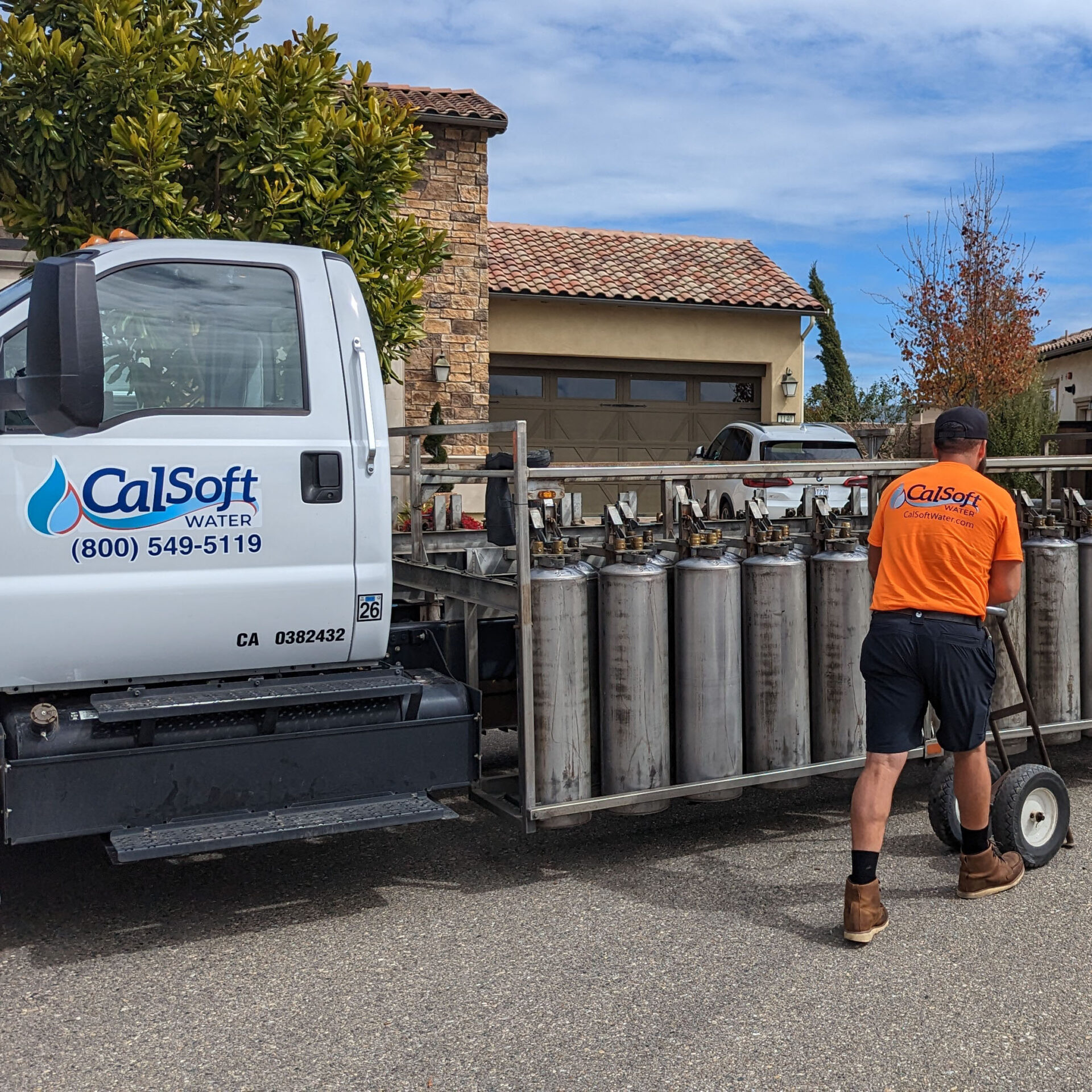
For homeowners in areas like Paso Robles, where salt-based water softeners are restricted or banned, our portable exchange tank service is an excellent alternative.
How Portable Exchange Tank Service Works:
- Hardness minerals are removed off-site
- No salt discharge into local wastewater
- No homeowner maintenance
- Tanks are regularly exchanged by professionals
This system delivers consistently soft water without violating local ordinances, making it a perfect solution for environmentally sensitive regions.

Paso Robles and similar communities restrict salt-based water softeners to protect groundwater and wastewater systems. Portable exchange tank service:
- Complies with local regulations
- Protects appliances from hardness damage
- Requires no salt handling or regeneration
- Provides reliable, professionally managed results
Homeowners can still protect appliances from hardness and TDS without sacrificing compliance or convenience.
Related article: Why Choose Water Softener Exchange Tank Service Over a Traditional Water Softener?
Whole House Water Filtration Systems: Addressing More Than Hardness
While softeners and exchange tanks focus on hardness, whole-house water filtration systems address other components of TDS and water quality.
CalSoft Water’s whole-house filtration systems help reduce:
- Sediment and particulates
- Chlorine and chloramines
- Unpleasant tastes and odors
- Certain minerals and contaminants that contribute to high TDS
Benefits of whole-house water filtration include:
- Cleaner water to every faucet and appliance
- Reduced corrosion and buildup
- Improved water taste and smell
- Added protection for plumbing and appliances
For many homes, combining whole-house filtration with water softening or exchange tank service provides comprehensive protection against both hardness and TDS.
Related article: Transform Your Well Water with a Whole-House Water Filtration System
Protect Your Appliances Before Damage from Hardness and TDS Starts
Hardness and TDS quietly reduce appliance efficiency long before visible problems appear. By the time a water heater fails, or a dishwasher stops cleaning effectively, significant damage has often already occurred.
With CalSoft Water’s customized water treatment solutions, homeowners can:
- Protect appliances
- Lower energy costs
- Reduce maintenance and repairs
- Enjoy better water quality throughout the home
CalSoft Water: Your Source for Expert Water Treatment Solutions in Paso Robles, Santa Maria, and Surrounding Areas
If you’re concerned about hardness and TDS in your water — or want to protect new or existing appliances — CalSoft Water can help. Our team will evaluate your water quality, explain your options, and recommend the best solution for your home and local regulations.
Protect your appliances and protect your investment when you focus on getting better water. It all starts when you contact us today!